


Youth participation remains a vital component of community development, as young people contribute fresh perspectives, energy, and initiative in addressing social concerns and promoting positive change. Recognizing the importance of nurturing civic consciousness among the youth, Rizal Technological University (RTU) implemented an outreach initiative designed to strengthen leadership, social responsibility, and community engagement among young citizens.
The RTU College of Education (CEd) Social Studies students, under the leadership of Dr. Samuel A. Balbin as Project Leader, conducted an activity-based outreach program titled “SahYahSis: Sandigan ng Kabataan, Yapak sa Kinabukasan sa pamamagitan ng Sistema ng Inisyatibo para sa Bayan” on November 8, 2026, in partnership with the Sangguniang Kabataan of Barangay Pineda, Pasig City. The activity aimed to promote youth leadership, civic responsibility, digital citizenship, and active community participation through interactive discussions, collaborative learning experiences, and reflective activities that encouraged participants to become responsible and engaged members of society.
Through the implementation of the outreach program, the RTU-CEd Social Studies students sought to empower young individuals by providing opportunities to better understand their roles as future leaders and active contributors to community development.
The initiative emphasized that meaningful societal progress begins when young people recognize their capacity to participate in civic affairs and contribute to the welfare of their communities.
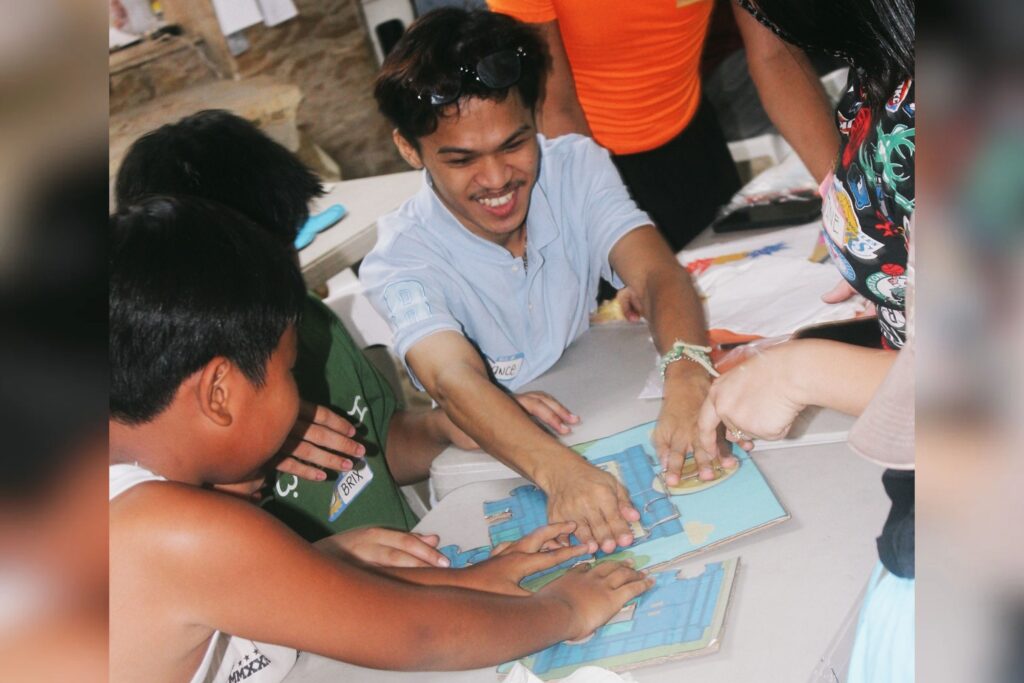
To introduce the value of teamwork and cooperation, participants engaged in “Kabuo: From Pieces to Purpose,” an interactive puzzle activity that challenged them to work together to accomplish a common goal. The activity demonstrated how individual contributions and shared efforts can lead to meaningful outcomes, reinforcing the importance of unity and collaboration in community-building.
The discussion “Kabataan bilang Sandigan ng Komunidad” highlighted the significant role of young people in community development. Through participatory demonstrations and facilitated discussions, participants learned how cooperation and civic engagement can help address local concerns and improve the quality of life within their communities. This learning experience was strengthened through “Katugma: A Flipmatch Battle,” where participants matched various social issues with appropriate civic actions, encouraging them to think critically about practical solutions to community challenges.
Recognizing the growing influence of technology in everyday life, the program also featured the session “Kapwa sa Digital na Mundo: Empathy and Responsibility in the Online Space.” Participants learned the importance of empathy, accountability, responsible social media engagement, and ethical online behavior. The discussion encouraged them to become responsible digital citizens by understanding the impact of their actions on others in both online and offline environments.
A notable highlight of the activity was “Katha: Guess the Impostor,” an interactive media and information literacy exercise that challenged participants to distinguish authentic information from misleading or fabricated content. Through examples involving fake news and AI-generated materials, participants learned the importance of source verification, fact- checking, and critical evaluation before accepting or sharing information online. The activity reinforced the need for informed and responsible participation in the digital age.
The program continued with “Kalahok: From Awareness to Action,” a discussion that emphasized the importance of transforming awareness into meaningful civic participation. Using examples involving environmental responsibility and community concerns, participants explored how individual actions can collectively contribute to positive social change and community improvement.
One of the most meaningful parts of the initiative was “Kaisa: One in Action for the Nation,” the culminating reflection activity of the program. Participants identified community issues that mattered to them and wrote down one realistic action they personally committed to undertaking. These commitments were placed on the “Pathway to the Future” reflection board, symbolizing their dedication to becoming active and responsible citizens who contribute positively to their communities.
Through meaningful discussions, interactive activities, and reflective learning experiences, the SahYahSis outreach program successfully encouraged participants to become more aware, engaged, and responsible members of their communities. The initiative demonstrated that empowering young people with knowledge, values, and opportunities for participation can inspire them to become catalysts for positive social transformation.
The efforts of the RTU-CEd Social Studies students reflect RTU’s unwavering commitment to transformative education, community engagement, and social responsibility. Through initiatives such as SahYahSis, RTU continues to create meaningful opportunities that empower young people to become active partners in community development, fostering a generation of responsible citizens committed to leadership, service, and nation-building.