

The Local Government Unit of the Municipality of Paluan, Occidental Mindoro, sought the expert guidance of Rizal Technological University’s Human Resource Management (HRM) Department to enhance the LGU’s HRM system through systematic, research-based interventions. The collaboration is part of a transformative extension initiative of the department, titled “The PRIMER: Public Sector Reorganization for Integrated Manpower Excellence and Reengineering of the LGU.”
The partnership initiative responds to the critical structural and operational gaps in the LGU’s workforce framework. Pressing concerns have been identified, including the lack of personnel’s Civil Service Commission-mandated qualifications, outdated and overlapping job descriptions, and the absence of meritocracy and a competency-based learning and development framework. Other concerns were also identified, including underdeveloped mechanisms for rewards, recognition, and support for professional development. There is also a lack of standardized salary grade and comprehensive profiling data for Contract of Service (CoS) and Job Order (JO) personnel, complicating planning initiatives.
The PRIMER extension initiative is a one-year undertaking led by the faculty of the HRM department, assisting the LGU’s HRM unit in integrating research-based organizational development plans to improve the municipality’s human capital management. Beyond restructuring, the initiative aims to reengineer the LGU’s entire HR system towards a performance-driven, standards-compliant, and future-ready model.
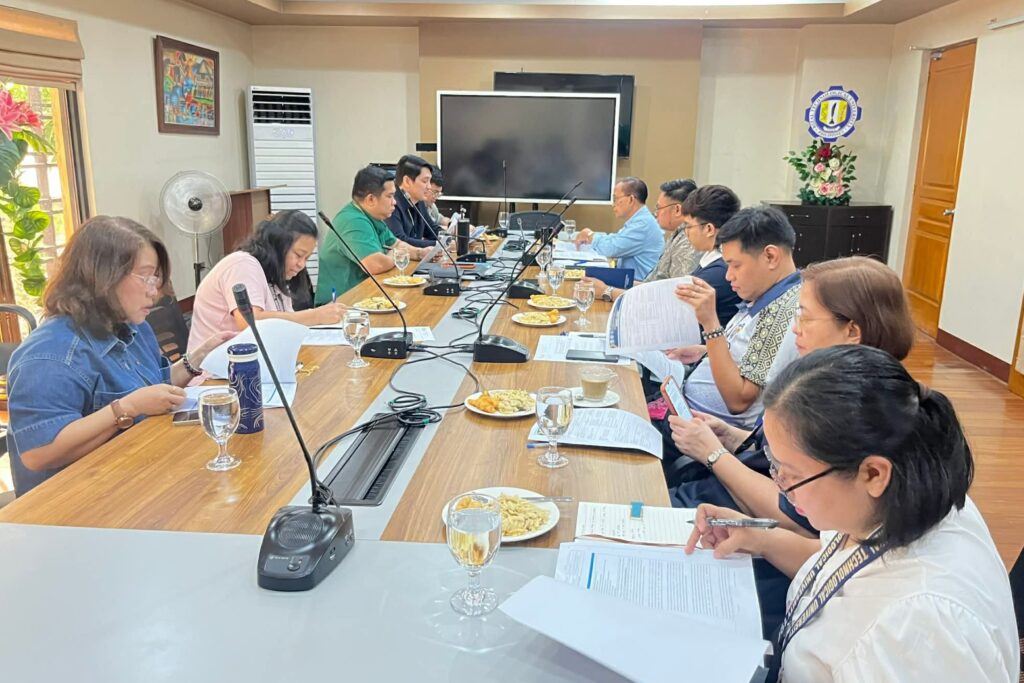
As part of this project, LGU representatives visited the RTU Mandaluyong Main Campus to discuss the initiative through a coordination meeting. Representatives from the Municipality, led by Dr. Rogelio T. Viaña, Coordinator of the Paluan LGU–RTU Community Services Project, sat with key university officials led by Dr. Ma. Eugenia M. Yangco, University President, and Dr. Rodolfo L. Ducut, VP for Finance and Administration, as well as faculty members from the HRM Department.
Discussions revolved around the multi-phased project implementation plan, assessment of organizational needs, logistical details, and other matters relevant to the project and its implementation.
The meeting proved fruitful, as both parties expressed strong commitment to the initiative, aiming to formalize the program through a Memorandum of Agreement. The Paluan LGU also committed to the project’s adoption by lobbying for a Sangguniang Bayan resolution once the program has concluded.
The new program initiative between the Municipality and the University underscores that meaningful partnerships between the government and academe uplift both institutions and ripple towards positive impacts on all stakeholders.