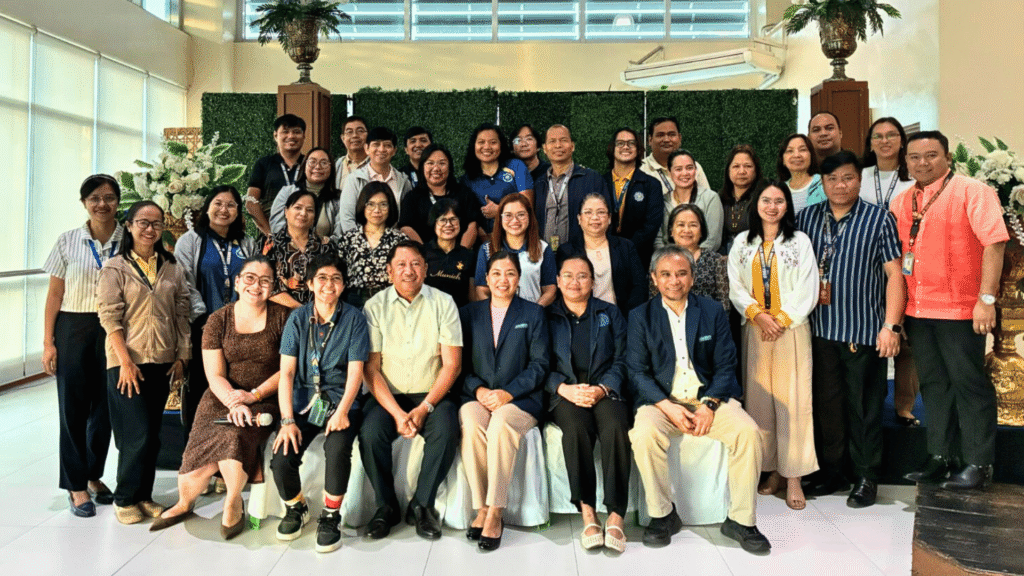


The Research Ethics Committee (REC) of Rizal Technological University (RTU), chaired by Dr. Rose Ann B. Bautista, hosted a Comprehensive Research Ethics Committee-Philippine Health Research Ethics Board (REC-PHREB) Level 1 Accreditation Training on January 14, 2026. With the theme, “Strengthening Ethical Review: Building Competence, Integrity, and Trust in Research,” the training aimed to enhance the knowledge, skills, and operational competence of Research Ethics Committees (RECs) in preparation for PHREB accreditation.
The event gathered participants from various academic and health institutions, reflecting a strong commitment to uphold ethical standards in research. The program was designed as a lecture-workshop, combining theoretical discussions with practical applications to ensure participants gained both conceptual understanding and operational readiness.
The one-day lecture-workshop featured the discussions of Dr. Hazel Anne L. Catublas, REC Chair of Adamson University (AdU), Ms. Rea Mae Villasis Guillermo, AdU-REC Secretariat, and Dr. Joseph Guiang Balaoing, AdU-REC Member, on basic research ethics, REC structure and documentation, SOP writing principles, and REB operations, complemented by interactive workshops and case studies. With their expert knowledge and experience, the resource speakers guided participants through topics such as membership requirements, accreditation timelines, role-based responsibilities, and common ethical dilemmas.
Participants engaged in role-based scenarios and open forums, fostering collaboration and practical problem-solving. The training emphasized the importance of competence, integrity, and trust in ethical review, ensuring that RECs are better prepared to meet PHREB standards and strengthen research governance in their institutions.
The Comprehensive REC-PHREB Level 1 Accreditation Training was a significant step toward building stronger, more competent Research Ethics Committees. By combining lectures, case studies, and workshops, the program ensured participants were not only informed but also empowered to apply ethical principles in practice. The event underscored the collective responsibility of institutions to safeguard the integrity of research and uphold the trust of the communities they serve.