

The Chemapy and Industrial Engineering Departments of Rizal Technological University (RTU) conducted their extension program, titled “Empower and Thrive: A Community Livelihood Development Program for the Habitat Community Beneficiaries,” in Acacia Homes Subd. Brgy. Burol III, Dasmariñas, Cavite, on December 6, 2025.
The program aims to enhance the long-term livelihood skills of the Habitat community beneficiaries by providing them with knowledge on the production of sellable basic household products, including dishwashing liquid, fabric conditioner, and other similar cleaning products. The faculty extensionists say these were selected as the focus of the training due to their high demand, low production cost, and potential for small-scale business ventures.
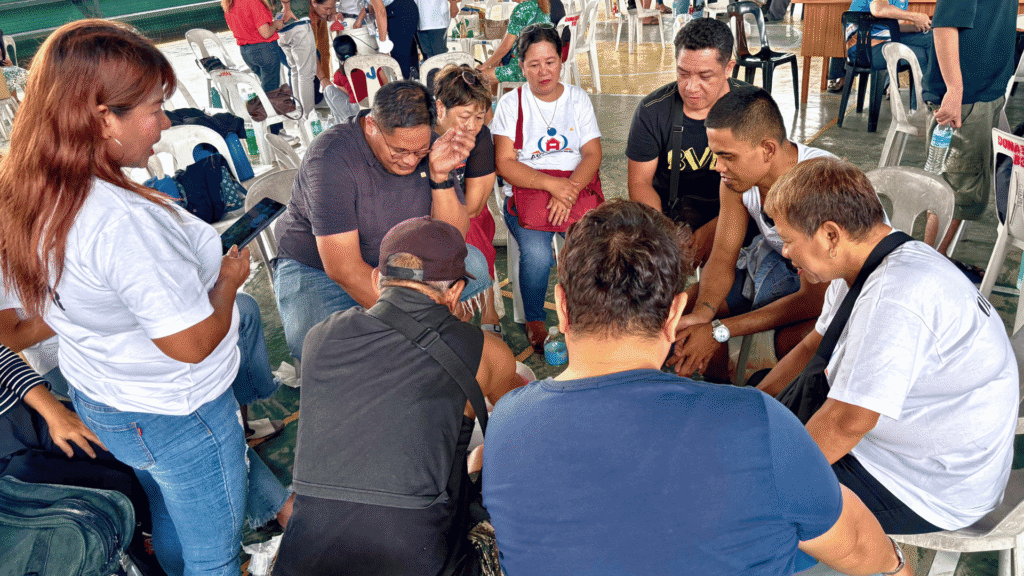
To ensure participants gain foundational knowledge, the faculty extensionists first discussed the ingredients, safety considerations, and procedures involved in making each product. Step-by-step demonstrations followed, ensuring that participants could easily understand and replicate the methods. To encourage collaboration and hands-on learning, the beneficiaries were divided into groups for the practical workshop, tasked with preparing the products under the guidance of extensionists and student facilitators.
The approach not only reinforced the participants’ technical skills but also fostered unity, cooperation, and active engagement among community members. The atmosphere was enthusiastic and energetic as participants asked questions, experimented with the process, and shared ideas.
Beyond product-making, the facilitators also provided basic entrepreneurial guidance, including simple cost and pricing analysis, pricing strategies, and suggestions for starting a small home-based business. These additional insights were intended to help the participants turn their newly learned skills into viable livelihood opportunities.
The Empower and Thrive livelihood development program was a successful and meaningful initiative that delivered both practical skills and empowerment to the Habitat community beneficiaries. By teaching participants how to produce marketable household products and introducing basic business concepts, the program helped equip the community with tools for financial resilience and self-sufficiency.
Towards the end of the activity, the community members expressed their appreciation for the knowledge and support imparted by the Rizaliano Engineers. Many participants expressed excitement about applying what they had learned, both for personal use and for potential income generation.
More than just a one-day activity, it created opportunities for long-term growth that can enhance residents’ lives. The collaboration between RTU faculty, students, and the community stands as a strong example of how educational institutions can contribute to sustainable community development.